


Commonly known as the Guelder Rose, Viburnum Opulus is a vigorous, multi-stemmed deciduous shrub native to Ireland, Britain, and mainland Europe. It is prized in gardens and landscapes for its three-season ornamental value, featuring white lacecap-style flowers in early summer, vibrant red autumn foliage, and glossy red berries.
Growth & Physical Description
- Eventual height and spread. Left unpruned, it typically reaches 4 to 5 metres (13 to 16 feet) in height and 2.5 to 4 metres (8 to 13 feet) in spread, taking roughly 10 to 20 years to reach maturity. It can easily be kept smaller at around 2 to 3 metres with regular pruning.
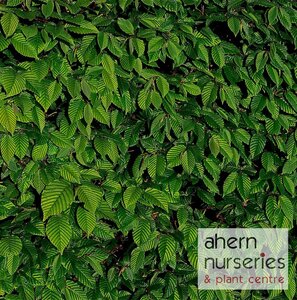
- Foliage. The leaves are maple-like with three to five coarsely toothed lobes. They emerge fresh green in spring and turn striking shades of crimson, orange, and purple in autumn before falling.
- Hardiness. It is fully hardy throughout Ireland and northern Europe (RHS H6 rating), tolerating severe winter temperatures down to -15°C or -20°C.
Flowering & Fruiting
- Flowering time. Blooms appear from late spring to early summer (May to July).
- Flower structure. It produces flat-topped clusters measuring 4 to 11 cm across. Each cluster features a ring of large, showy, sterile white outer florets surrounding a central disc of tiny, fertile creamy-white flowers.
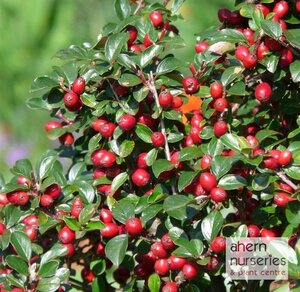
- Berries. Pollinated inner flowers develop into translucent, bright red berries (drupes) in late summer that persist well into winter. Note that the raw berries are mildly toxic to humans and pets if ingested.
Soil & Placement
- Soil conditions. It thrives in moist, fertile, and moderately well-drained soil, though it is highly adaptable. It tolerates heavy clay, loam, chalk, and damp or seasonally wet ground, and grows happily across acidic, neutral, and alkaline pH levels.
- Light and exposure. Performs best in full sun to partial shade. Full sun encourages the heaviest flowering, berry production, and best autumn leaf colour, though it will also tolerate dappled woodland shade. It handles exposed, windy sites well.
- Garden placement. Ideal for the back of a large shrub border, woodland edges, beside ponds or streams, or woven into an informal mixed native hedgerow.
Biodiversity & Wildlife Value
- Pollinators. The flat flowerheads serve as accessible landing platforms for bees, hoverflies, beetles, and butterflies seeking nectar and pollen in early summer.
- Birds and mammals. The autumn and winter berries provide a vital food source for birds such as blackbirds, mistle thrushes, redwings, fieldfares, bullfinches, and visiting waxwings.
- Invertebrates and shelter. According to the Royal Horticulture Society, the foliage supports over 100 invertebrate species, acting as a larval food plant for moths like the privet hawk moth and yellow-barred brindle, while its dense branching provides safe nesting cover.
Pruning & Maintenance
- Low maintenance. Once established, Viburnum opulus requires very little care beyond mulching in spring.
- Pruning timing. If size control is needed, prune lightly immediately after flowering in summer. Avoid autumn or winter pruning if you want to keep the berries for wildlife and winter colour.
- BiodiversityExcellent
- Height60cm-100cm
- PlacementAny soil
- FloweringMay - July
- PollinatorFantastic Pollinator
- Mature Height4m-5m
- Mature Spread2.5m-4m
Enquiry
Do you have questions about this product? Feel free to send us an enquiry so we can help you. We store your data securely according to our privacy policy.
Delivery
When you order from Ahern Nurseries & Plant Centre, we'll ensure the shipping and delivery will be fast and hassle-free. All of our products can be delivered nationwide for €9.99. We will keep you updated about the shipping time via e-mail. Do you live close by? You can always stop by to pick up your items for free.
Give call us on 087 1671884 or email us if you have any questions regarding the delivery of your products.